Bathrooms in humid climates can quickly turn into mould hotspots if storage design ignores airflow and moisture control. From my 11 years translating contractor jargon to homeowner-friendly tips in Singapore’s steamy heat, one lesson is clear: how you store things matters as much as what materials you use. It’s not just about keeping your shampoos and towels tidy — it’s about promoting a truly healthy home environment.
Home Design as a Health Driver
Let's start with an often-overlooked point: your bathroom design impacts your health. Moisture trapped behind https://highstylife.com/what-home-design-details-trap-moisture-around-plumbing-connections/ closed cabinets creates the perfect breeding ground for mould and bacteria. These can cause respiratory issues, worsen allergies, and create an unpleasant odour.
Good bathroom storage goes beyond aesthetics — it needs to support the space’s ventilation and humidity balance. This is the real foundation for a healthy home, especially in tropical and humid urban environments like Singapore.
Common Mistakes That Trap Moisture
- Cabinets built flush against walls with no gap for airflow. Using materials that absorb moisture like untreated wood or MDF without protective finishes. Ignoring ventilation planning during renovation or new build. Installing cabinets directly on wet floors or against damp walls. Overcrowding storage spaces, limiting internal airflow.
Materials for Hygiene and Moisture Resistance
Choosing proper materials is the first practical step in avoiding damp behind cabinets. In humid climates, materials need to be both water-resistant and non-porous for easy cleaning. Exactly.. Here's what to look for:
Material Moisture Resistance Hygiene & Maintenance Typical Use Marine-grade plywood High — treated to resist water Good; smooth, finishes prevent mould Cabinet carcasses/frames PVC boards / Acrylic panels Very high — non-porous Excellent; wipe-clean Cabinet doors, shelves Aluminium frames & shelves Excellent; no rust Very hygienic; minimal upkeep Open shelving, hardware Glass Excellent moisture resistance Easy to clean; avoids mould traps Door inserts, shelf surfaces Laminated MDF (Moisture resistant grade) Medium-high; only if sealed well Moderate; vulnerable if cut edges exposed Cabinet interiors, drawers Solid untreated wood Poor — absorbs moisture easily Requires treatment; prone to mould Rarely recommended for humid bathroomsTip: Avoid materials that absorb water or degrade quickly without proper sealing. Even “moisture resistant” MDF can fail within a year if cut edges are exposed or ventilation is poor.
Ventilation and Airflow Planning in Humidity
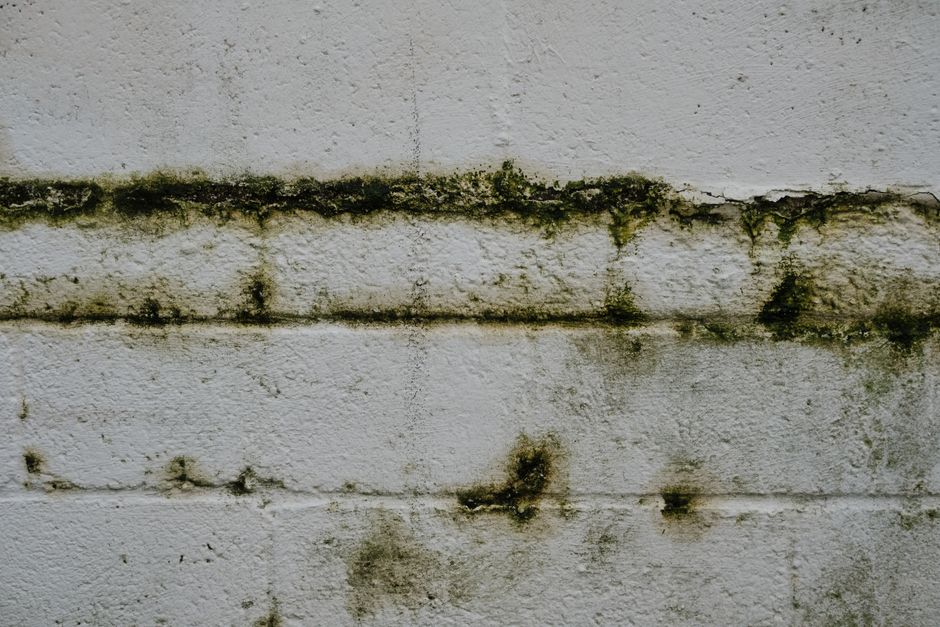
Ventilation is the unsung hero in reducing damp behind cabinets. Sealed-wall units without airflow act like a terrarium for mould spores — they thrive in dark, moist stillness.
Designing Bathroom Storage With Airflow in Mind
Create a Gap Between Wall and Cabinet: At least 10–15 mm space at the back allows air circulation and helps any trapped moisture to evaporate. Elevate Cabinets Off the Floor: Legs or a toe-kick gap allow airflow underneath, preventing moisture buildup at the base. Open Shelving or Louvered Doors: Doors with vents or horizontal slats promote internal airflow. Use Open or Mesh Shelves Where Possible: Items dry faster, and stagnant moisture doesn’t accumulate. Install Exhaust Fans Strategically: Position them near storage walls or cabinets so damp air is actively removed rather than settling behind cupboards. Window Placement and Use: Windows near storage can improve cross-ventilation, but ensure security and privacy do not hinder airflow.Planning Tips From Experts
In my interviews with interior designers and design-build firms in Singapore, they emphasize integrating airflow into overall bathroom planning. For example, avoid deep cabinet recesses directly built into external walls that don’t allow airflow behind storage.
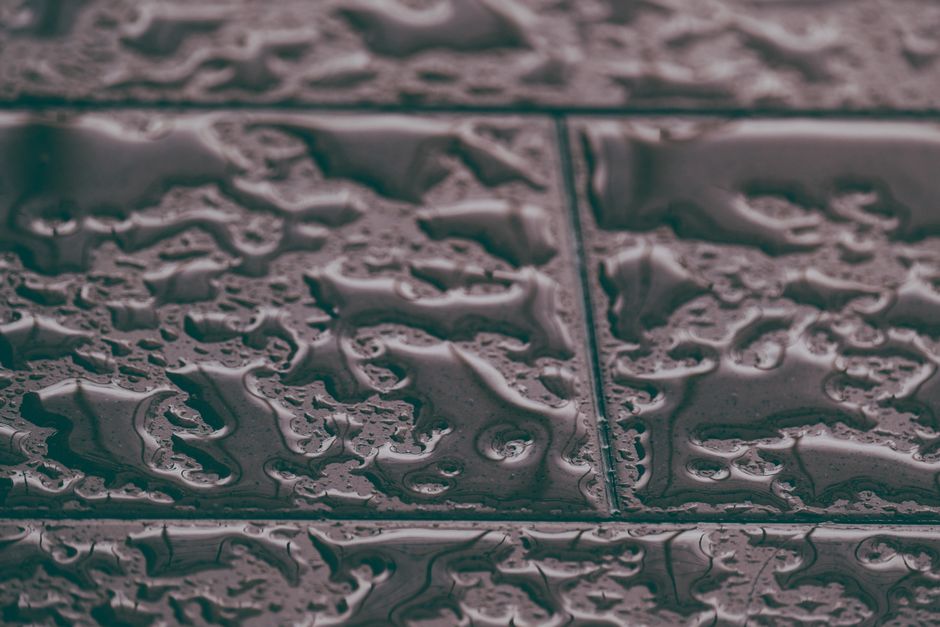
Some use perforated back panels or slotted bases on cabinetry to improve air movement. Others leave critical moisture-prone zones open rather than fully enclosed.
Mould Prevention Through Layout and Detailing
Mould isn’t just a “cleaning problem,” as some homeowners think. It’s a symptom of poor moisture management. Here’s what detailing and layout can do:
- Seal Wall Surfaces Carefully: Use waterproof paint or tiles behind storage units, especially on external walls prone to condensation. Use Corner Cabinets Sparingly: They can trap air and moisture in hidden pockets less accessible for cleaning or airflow. Avoid Built-In Cabinets Up To The Ceiling: Allow space above for heat and humid air to escape upwards. Address Leak Sources: Even minor leaks can cause persistent damp behind your cabinets — plumbing access panels should be easy to remove and inspect. Keep Storage Contents Ventilated: Avoid over-packing shelves or drawers with non-breathable containers.
Quick Mould Prevention Checklist for Bathroom Storage
Action Reason Leave airflow gaps behind cabinets (10–15 mm) Prevents moisture accumulation & mould growth Elevate cabinetry with legs/toe-kick Allows under-cabinet air circulation Choose moisture-resistant materials Reduces water absorption and decay Use exhaust fans near storage areas Removes humid air swiftly Seal walls behind cabinets with waterproof paint or tiles Prevents damp penetration from external walls Design open or vented storage doors where possible Improves airflow inside storage units Inspect and repair plumbing leaks promptly Eliminates hidden moisture sources Avoid overcrowding storage containers Improves air movement around stored itemsStay Connected for More Home Health Design Tips
Modern home design has a vital role in safeguarding your and your family’s wellbeing. For continuous learning about home environments and health, check out these helpful resources:
- Follow YourHealthDMV on Facebook — a page with insightful health and environment content useful even for those outside the DMV region, including humidity and mould awareness. Connect with me on LinkedIn under the Stay Connected section, where I post industry insights, interviews, and practical renovation tips for humid climates.
Conclusion
Bathroom storage that traps moisture is more than an inconvenience—it’s a health risk in humid climates like Singapore. Through mindful material selection, incorporating adequate airflow, and thoughtful detailing, you can dramatically reduce damp and mould problems behind cabinets.
Remember, it's not enough to “choose quality materials” without context. Your storage design must allow moisture to Discover more here escape, avoid tight seals against wall surfaces, and synchronize with your bathroom’s overall ventilation plan.
Think about it: next time you plan or renovate your bathroom storage, ask yourself: will this design trap moisture, or help it escape? your health depends on it.