If you are feeling nervous about discussing medical cannabis with a doctor, you are not alone. In my nine years working within the National Health Service (NHS)—the UK’s publicly funded healthcare system—and advocating for patient access, I have heard this concern more times than I can count. There is a weight attached to the word "cannabis" that doesn't exist for other controlled medicines like opiates or benzodiazepines.

Let’s get one thing clear immediately: seeking medical advice for a long-term condition is not the same as using cannabis recreationally. We are talking about Cannabis-based Products for Medicinal use (CBPMs). These are pharmaceutical-grade, regulated treatments prescribed for specific clinical outcomes, not lifestyle choices.
It is perfectly normal to worry about being judged. However, clinical professionals in the private sector are trained to look at your medical history, not your cultural preconceptions. Here is what you need to know about navigating these conversations and why your concerns, while valid, should not stop you from seeking care.
The 2018 Legalization: A Shift in Landscape
In November 2018, the UK government rescheduled CBPMs, allowing specialist doctors to prescribe them. Before this, cannabis was viewed strictly as a substance with no medicinal value. This change was a monumental shift in legislation, but it created a complicated reality for patients.
While the law changed, the clinical practice didn't transform overnight. The National Institute for Health and Care Excellence (NICE), which provides guidelines for the National Health Service (NHS), remained extremely cautious. They highlighted a lack of long-term randomized control trials for many conditions. This led to a very narrow scope for NHS prescribing—mostly restricted to rare forms of childhood epilepsy, multiple sclerosis spasticity, and chemotherapy-induced nausea.
This caution created an "access gap." If you didn't fit into those very specific NHS criteria, you were effectively left without a pathway through the public system. This is where the private clinic sector emerged to fill the void.
The Rise of Private Telehealth Platforms
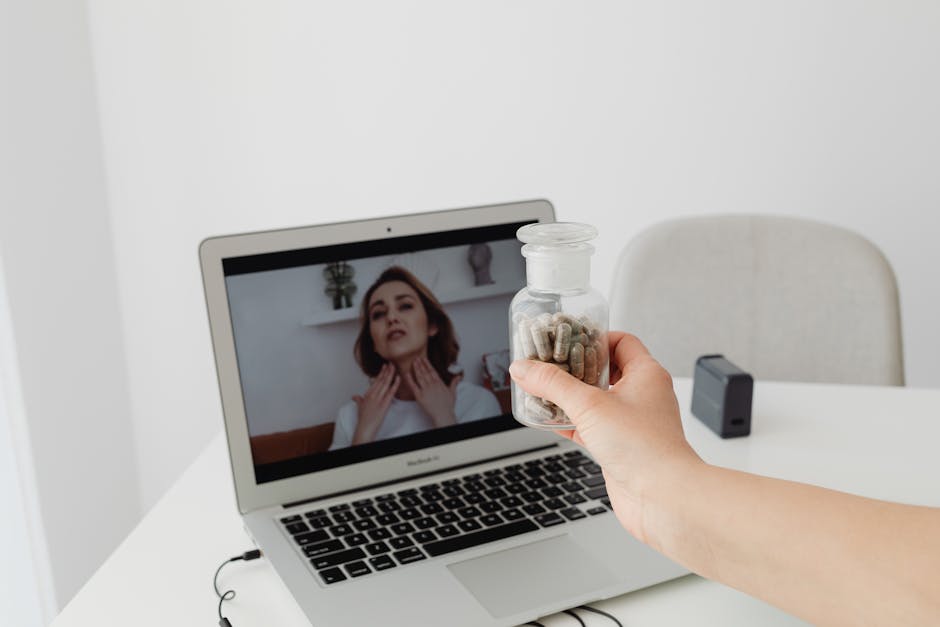
Because the NHS access remains limited, most patients today utilize private clinics that operate through digital-first models. These platforms use telehealth, which is essentially the delivery of healthcare services remotely. For patients worried about stigma, this has been a game-changer.
Instead of walking into a pharmacy or a clinic and fearing judgement from those around you, you can now have a video consultation from your own living room. These digital workflows are designed to be discreet, professional, and patient-centered.
The Reality Check: Here is what usually happens next
When you book a consultation, you aren't just "buying cannabis." You are undergoing a thorough clinical assessment. The specialist will review your previous treatments, check your medical records (which they will request from your GP), and determine if you meet the eligibility criteria. They are looking at your clinical conversation, not your past habits. If they decide a treatment is inappropriate for you, they will tell you why. That is the nature of responsible, evidence-based medicine.
Comparing Access Pathways: NHS vs. Private
It is helpful to visualize the difference between the two systems to understand why the private route is the current standard for most patients seeking symptom management for chronic pain, anxiety, or insomnia.
Feature NHS Access Private Clinic Access Cost Covered by the state Patient-funded (consults + medicine) Availability Extremely limited criteria Broad range of chronic conditions Workflow GP referral required Self-referral or GP-assisted Wait Times Often very long Usually 1–2 weeksWhy Stigma Concerns Arise
The stigma surrounding medical cannabis is rooted in decades of "war on drugs" messaging. It is difficult to decouple the plant from its recreational use in the public imagination. When a patient feels nervous, it is usually because they fear being labeled a "drug seeker" by their doctor.
I have interviewed several specialists who work in private clinics. Almost all of them say the same thing: they are not interested in recreational use. They are interested in your symptom relief. If you https://bizzmarkblog.com/is-medical-cannabis-used-for-arthritis-related-pain-in-the-uk-a-realistic-look-at-the-landscape/ come to a consultation with a clear list of the medications you have already tried—and why they failed—you shift the tone of the meeting from "asking for something" to "discussing a clinical treatment plan."
Strategies for a Productive Clinical Conversation
- Focus on the journey: Be ready to explain which conventional treatments you have tried (e.g., antidepressants, gabapentinoids, or physical therapy). Be honest about goals: Don't promise yourself "miracle relief." Focus on functional outcomes, like being able to sleep through the night or returning to work. Bring your records: Having your summary care record handy makes you appear organized and serious about your health. Use professional language: Using terms like "CBPMs" or "medical cannabis" rather than slang helps keep the focus on the clinical aspects.
Things Patients Wish They Knew Before the First Video Consult
After speaking with many patients who have walked this path, a few common themes emerge. Here are the things most people wish they had known before they logged into their first video consultation:
Moving Toward Patient-Centered Care
The transition to patient-centered care in the UK is slow, but it is happening. The goal of medical cannabis clinics should be to provide a safe, non-judgmental environment where your health is the only priority. The nervousness you feel is a result of a broken system that has historically failed to provide adequate options for people with complex, long-term health issues.
If you find that a clinic makes you feel stigmatized, you have the right to look elsewhere. The growth of these telehealth platforms means you have options. Find a service that values clear communication and evidence-based practice.
Remember: advocating for your own health is a sign of strength, not a reason for shame. If you are struggling with a chronic condition, exploring all regulated pathways is your right. The stigma is a systemic issue, not a personal one. Keep the focus on your clinical needs, be prepared with chronic pain clinic london uk your medical history, and don't be afraid to ask the hard questions during your consultation. You deserve a healthcare experience that treats you with the respect and professionalism you need to get better.
Disclaimer: This article is for informational purposes only and does not constitute medical advice. Always consult with a qualified healthcare professional before beginning any new treatment.