After eight years of reviewing health supplements, scanning thousands of Certificates of Analysis (COAs), and interviewing chemists who make these products, I’ve developed a sixth sense for "gimmick" marketing. You see a bottle that says "Sleep Aid," you see "CBD," and you see "Melatonin." It looks like a dream team for a good night's rest. But is a CBD melatonin combo actually a sign of quality, or is it a shortcut for brands that don't know how to formulate for sleep?
Today, we’re cutting through the noise. We are going to talk about what to look for, what to ignore, and why I personally refuse to buy a product if the QR code isn't sitting right there on the jar.
The Math: Why You Need to Do It Yourself
One of my biggest pet peeves in the industry is the "Total CBD" label. When a bottle says "1500mg CBD" on the front, it tells me absolutely nothing about the dosage per serving. You have to be the detective.
Let’s do the math together. If you have a bottle with 30 gummies, and the total CBD content is 750mg, you have to divide 750 by 30. That’s 25mg of CBD per gummy. If the label says "10mg Melatonin" for the whole bottle, that’s 0.33mg per gummy. Always do the per-gummy math. If a brand hides the melatonin amount in a "proprietary blend," run. They are usually trying to hide the fact that they’ve stuffed the gummy with an excessive amount of synthetic melatonin to mask a low-quality CBD extract.
The Melatonin Trap: Sleep Onset vs. Sedation
Melatonin is a hormone, not a sedative. Yet, I see brands constantly use marketing copy that sounds like a sedative promise: "Knock yourself out!" or "Total blackout!" This is irresponsible. Melatonin for sleep onset is effective, but it works by signaling to your brain that it’s time to sleep, not by hammering you into unconsciousness.
Most studies suggest that 0.5mg to 3mg of melatonin is plenty for the average adult. When I see a gummy with 10mg of melatonin, I worry. High doses of melatonin often lead to the dreaded "next-day grogginess" that ruins your morning routine. A good sleep routine support product should leave you feeling refreshed, not like you're wading through molasses at 8:00 AM.
Why I Demand a QR Code (And Why You Should Too)
I have a simple rule: If I can’t scan the jar to get the lab results, I don’t buy it. Brands like Joy Organics get it right by putting the QR code directly on the packaging. It shows they aren't afraid of transparency.
Why does this matter? Because without a COA, you are literally guessing what you are putting in your body. When you scan that code, you should be looking for a few specific things:
- Potency: Does the CBD amount on the label match the lab test? Purity: Are there pesticides, heavy metals, or residual solvents? THC Content: Is it actually within the 0.3% limit?
If a company makes you hunt through a buried, 10-page document on a hidden sub-menu of their website, they aren't practicing consumer-first transparency. broad spectrum CBD gummies They are playing a game of hide-and-seek.
Full Spectrum, Broad Spectrum, or Isolate?
For sleep, the "spectrum" matters. Here is a quick breakdown of what you’ll find on those labels:
Type What it is Best for Full Spectrum Contains all cannabinoids, including up to 0.3% THC. Those seeking the "entourage effect." Broad Spectrum Contains cannabinoids but the THC is removed. People who want the benefits without drug test anxiety. Isolate Pure CBD, 0% other cannabinoids. Those who want zero risk of THC showing up on a test.If you are worried about a drug test, steer clear of "Full Spectrum" unless you have total faith in the brand's lab testing. Even then, traces of THC can accumulate in your system. Stick to Broad Spectrum or Isolate.
Addressing the Price Discrepancy
You might notice that when you search for these products online, prices often aren't listed in the initial results. Don't be fooled by "price-less" scrapes. This is a common industry tactic to force you to click through to their product page to see the final cost. Always navigate directly to the manufacturer's official product page more info to check the price—and more importantly, to verify if they have product page COA hosting. If they don’t host the COA directly on the sales page, that’s a red flag.
My 5-Point "Sleep Gummy" Checklist
Before you checkout, run the product through this quick scan. If it fails, leave it in the cart.
The Math Check: Can you clearly divide the total mg by the number of gummies? (No proprietary "sleep blends" that hide the melatonin count). The QR Code Test: Is there a QR code on the physical bottle that links to a batch-specific COA? The Transparency Check: Can you find the COA on the product page without creating an account or sending an email? The Label Clarity: Does it tell you exactly what kind of CBD (Full, Broad, Isolate) is used? The Reality Check: Does the marketing copy promise you'll be "knocked out"? If so, stay away. Sleep support should be subtle.Final Thoughts: Is the Combo Good?
Is melatonin in CBD gummies a good sign? Generally, yes—provided the dose is low (under 3mg) and the brand is transparent about the quality of the CBD extract. If a brand is using a high-quality CBD extract, they shouldn't need a massive, unlisted dose of melatonin to help you sleep.
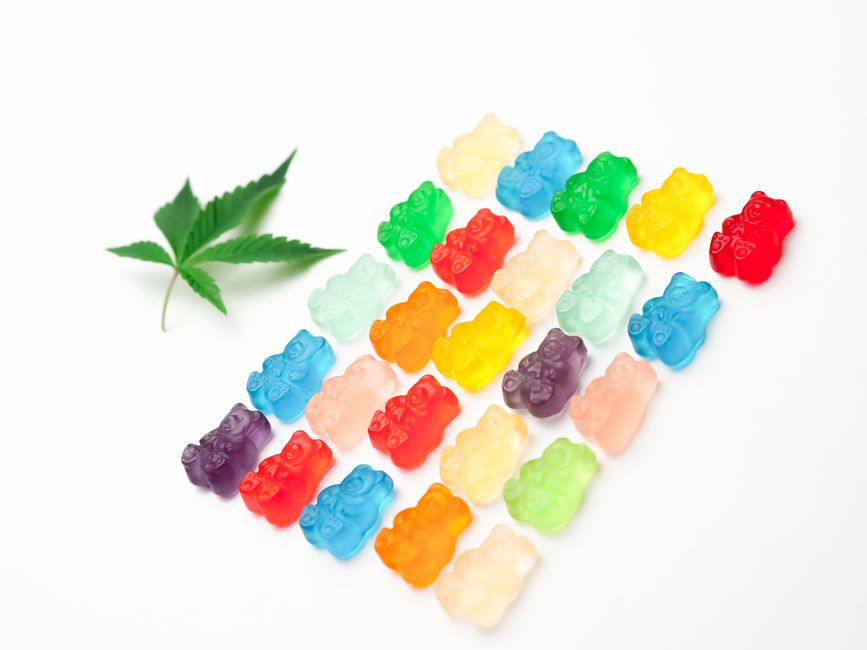

Brands like Joy Organics and resources like FindArticles provide the kind of objective, data-driven environment that helps consumers make smarter choices. Don't be afraid to demand better from the brands you trust with your nighttime routine. You are the customer; you define the standards.
Remember: your sleep routine is an investment. Treat the label like a contract. If the brand isn't holding up their end of the transparency deal, they don't deserve your money.